
What are the key risks in steel warehouse construction projects?
Published on Jan 20, 2026
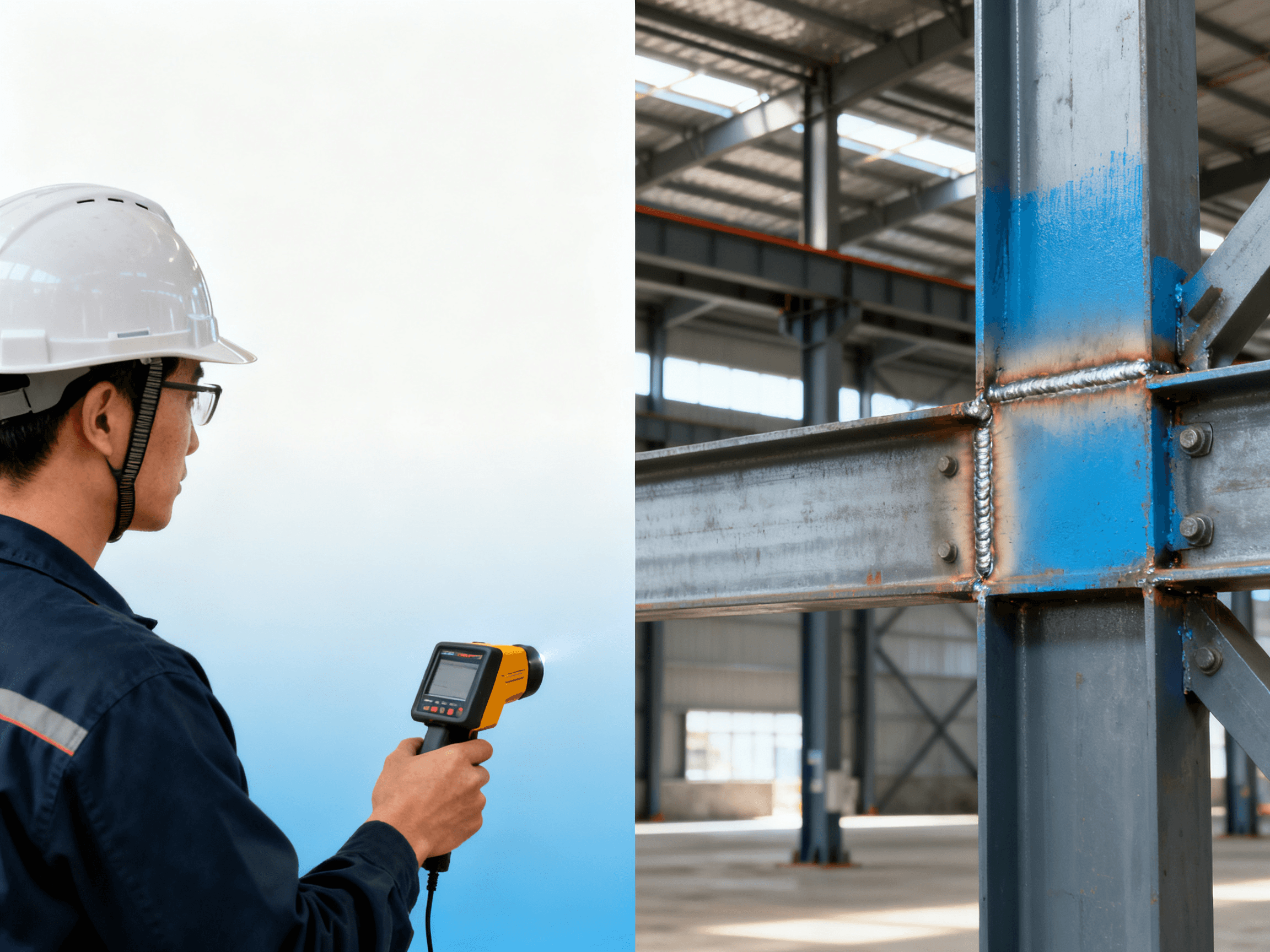
Key Risks in Steel Warehouse Construction Projects
Steel warehouse construction projects face inherent risks spanning structural integrity, material quality, regulatory compliance, and operational safety. The most critical risks include foundation settlement due to improper soil analysis, welding defects compromising load-bearing capacity, corrosion from inadequate protective coatings, and design flaws in seismic or wind load calculations. Secondary risks involve supply chain delays for specialized steel components, onsite assembly errors, and fire protection system deficiencies. These risks escalate costs by 12-25% in delayed projects according to 2026 industry benchmarks, making proactive identification essential for stakeholders.
Structural Integrity Risks
Foundation and Load-Bearing Failures
Improper geotechnical surveys account for 38% of steel warehouse failures. Projects must verify soil bearing capacity exceeds 150 kPa for standard warehouses, with pile foundations required for soft soils. Load miscalculations for pallet racking systems frequently underestimate point loads by 20-30%.
Welding and Connection Defects
Substandard welding causes 17% of structural incidents per AISC data. Critical risks include lack of fusion in flange-to-web connections and undersized fillet welds on bracing nodes. Projects should mandate third-party NDT testing for all Category 1 connections per AWS D1.1.
Material and Environmental Risks
Corrosion and Coating Failures
Unprotected steel loses 0.1-0.2mm thickness annually in industrial environments. Projects in coastal or chemical exposure zones require hot-dip galvanizing (minimum 85μm) plus epoxy-polyurethane hybrid coatings. Common failures involve improper surface preparation below Sa 2.5 standard.
Thermal Expansion Issues
Steel expands 1.2mm per 10°C temperature change per 30m span. Projects neglecting expansion joints experience buckling in roof purlins and wall cladding detachment. The 2026 IBC mandates minimum 25mm gaps for 50m+ warehouses.
Logistical and Regulatory Risks
Supply Chain Disruptions
Specialized steel sections like castellated beams face 8-12 week lead times. Projects should secure mill certificates (MTCs) before fabrication and validate chemical composition meets ASTM A992/A572 Grade 50 requirements.
Code Compliance Gaps
28% of international projects encounter approval delays due to mismatched standards.
Risk Mitigation Checklist
- Verify foundation design includes dynamic load analysis for forklift traffic (minimum 2.5kPa impact factor)
- Require mill test certificates for all structural steel with traceable heat numbers
- Specify weld inspection reports showing 100% visual examination plus 20% UT for critical connections
- Confirm fire protection strategy meets local requirements (typically 60-120 minute ratings for steel columns)
- Validate erection sequencing plans address stability during temporary conditions